
Tokenized Assets in Pakistan 2026: Binance’s Vision for Digital Bonds & Securities
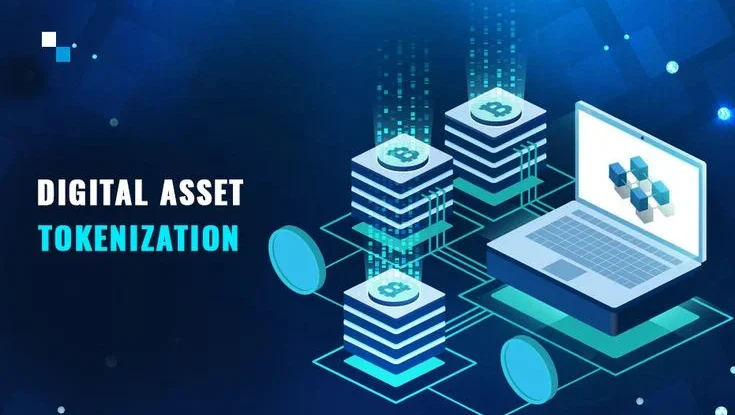
Tokenized assets are becoming one of the most revolutionary developments in international finance as blockchain technology advances. By 2026, Pakistan will be on the verge of a new financial era in which regulated blockchain platforms may make digital bonds, tokenized securities, and real-world assets (RWAs) accessible.
Binance’s vision for tokenization aligns with Pakistan’s growing interest in fintech innovation, financial inclusion, and capital market modernization.
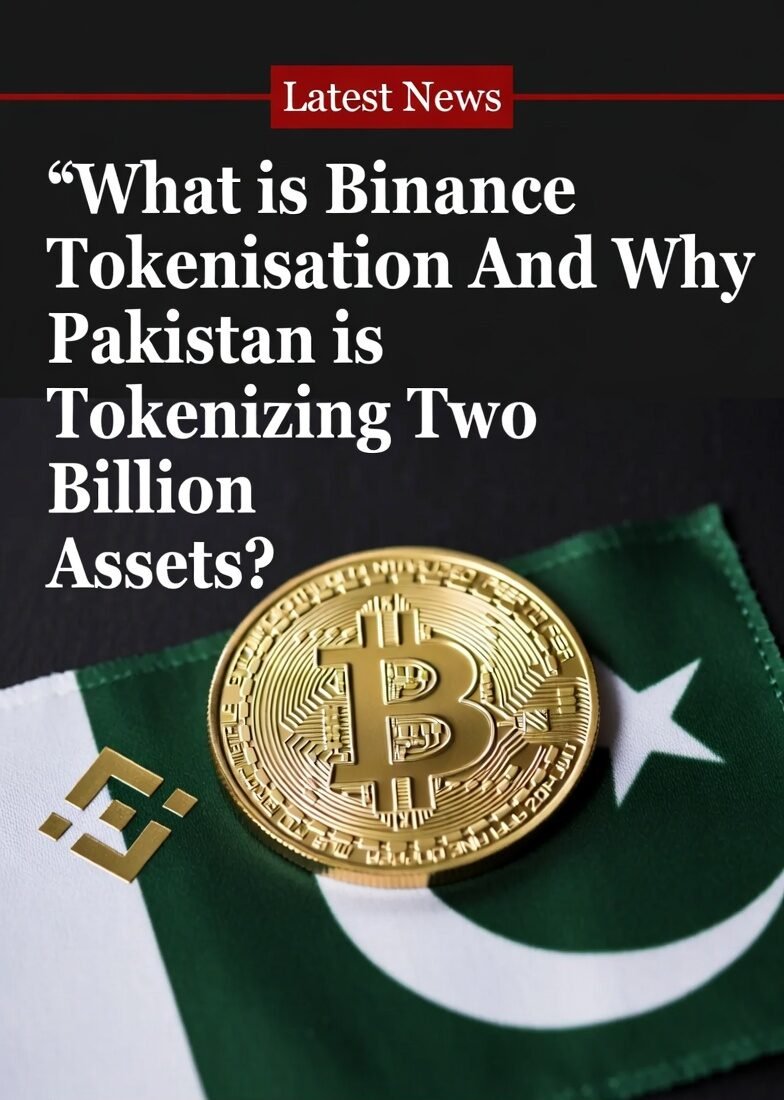 What Are Tokenized Assets?
Tokenized assets are real-world financial instruments—such as bonds, equities, real estate, or commodities—converted into digital tokens on a blockchain. Each token represents ownership or rights tied to a physical or financial asset.
Key benefits include:
- Fractional ownership
- Faster settlement
- Increased liquidity
- Greater transparency
- Lower entry barriers
Why Tokenization Matters for Pakistan
Pakistan’s traditional financial markets face challenges such as limited access, low participation, and operational inefficiencies. Tokenization offers solutions by:
- Democratizing investment access
- Reducing reliance on intermediaries
- Enhancing transparency
- Encouraging digital capital formation
Binance’s Vision for Digital Bonds & Securities
By 2026, Binance envisions a blockchain-powered ecosystem where:
- Government and corporate bonds are tokenized
- Securities are traded digitally with compliance
- Smart contracts automate settlements and dividends
- Global investors access Pakistani assets seamlessly
This model supports efficiency while maintaining regulatory oversight.
Digital Bonds: A New Capital-Raising Tool
Tokenized digital bonds can:
- Lower issuance costs
- Enable micro-investments
- Provide real-time settlement
- Increase investor participation
For Pakistan, this opens new pathways for infrastructure funding, SME financing, and public-private partnerships.
Tokenized Securities & Capital Markets
Blockchain-based securities enable:
- Instant trade execution
- Transparent ownership records
- Automated compliance checks
- Reduced fraud and manipulation
Such innovations can modernize Pakistan’s stock and debt markets.
Regulation & Compliance Considerations
Successful implementation depends on:
- Legal recognition of tokenized assets
- Licensing frameworks for exchanges
- AML and KYC enforcement
- Investor protection standards
Binance’s compliance-first approach aims to align tokenization with Pakistan’s regulatory roadmap.
Impact on Investors & Institutions
Tokenization empowers:
- Retail investors through fractional access
- Institutions via efficient issuance
- Overseas Pakistanis through borderless investment
- Fintech startups with new financial products
Challenges to Adoption
Despite its promise, challenges remain:
- Regulatory clarity
- Public awareness
- Infrastructure readiness
- Cybersecurity risks
Addressing these is critical for sustainable adoption.
Future Outlook: Pakistan’s Tokenized Economy
By 2026 and beyond, tokenized assets could:
- Deepen capital markets
- Attract foreign investment
- Strengthen financial inclusion
- Position Pakistan as a regional fintech hub
Binance’s vision acts as a catalyst for this transformation.
Conclusion
Tokenized assets represent a powerful convergence of finance and blockchain technology. In 2026, Binance’s vision for digital bonds and securities offers Pakistan an opportunity to modernize its financial ecosystem, expand investment access, and embrace a secure, transparent digital future.
With the right regulatory support, tokenization could redefine how Pakistan invests, raises capital, and grows its economy.