NFT Gaming: How It’s Changing the Industry
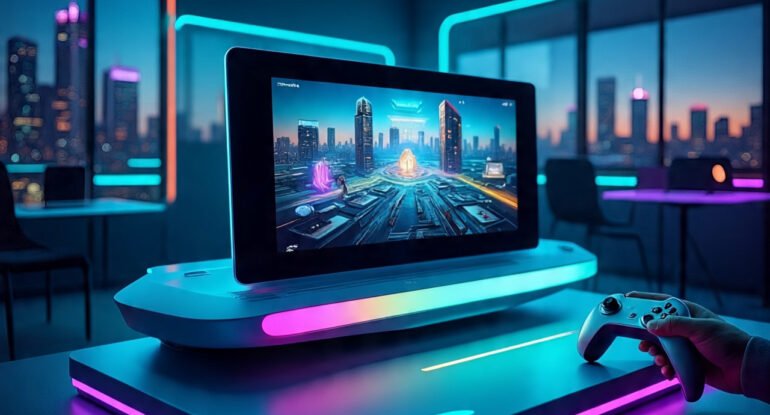
Traditional games limit players’ ownership of in-game items. NFT gaming changes this by allowing players to truly own, trade, and profit from digital assets secured on the blockchain.
From play-to-earn economies to metaverse worlds, NFT gaming is building a new gaming revolution.
What Is NFT Gaming?
NFT gaming integrates non-fungible tokens (NFTs) into video games. These NFTs represent unique in-game assets such as characters, weapons, skins, land, and collectibles.
Players can buy, sell, and trade these assets on blockchain marketplaces.
How NFT Gaming Works
- The player creates a crypto wallet
- Game assets are issued as NFTs
- Blockchain records ownership
- Players earn tokens or NFTs through gameplay
- Assets can be traded for real money
Why NFT Gaming Is Growing
True Ownership
Players control their assets, not the game company.
Play-to-Earn Economy
Gamers earn real income through in-game achievements.
Interoperability
NFTs can move across games and platforms.
Global Marketplaces
In-game items can be traded worldwide.
Popular NFT Gaming Platforms
- Axie Infinity
- Illuvium
- The Sandbox
- Decentraland
- Gods Unchained
Benefits of NFT Gaming
- Financial rewards for players
- New business models for developers
- Decentralized economies
- Community-driven development
Risks & Challenges
- Market volatility
- High entry costs for some games
- Regulatory uncertainty
- Technical complexity for beginners
Future of NFT Gaming
NFT gaming is expected to merge with VR, AI, and the metaverse, creating immersive worlds where gaming, socializing, and earning blend together.
Conclusion
NFT gaming is changing the way games are created, played, and made money. It is more than just a fad. Games become digital economies, players become stakeholders, and creators become business owners.