
What Is Phishing in Crypto?
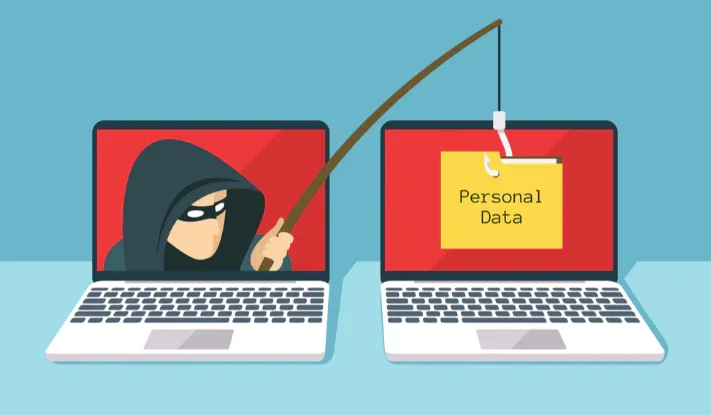
Cybercrime is increasing along with the use of cryptocurrencies. Phishing is one of the most prevalent and harmful threats in the cryptocurrency world. These frauds deceive people into disclosing private keys, seed phrases, or login information, which frequently results in the irreversible loss of money.
Understanding how phishing works is essential for anyone holding or trading digital assets.
What Is Phishing in Crypto?
Phishing in crypto is a form of online fraud where attackers impersonate legitimate platforms, wallets, exchanges, or support teams to steal sensitive information such as
- Wallet seed phrases
- Private keys
- Exchange login details
- Two-factor authentication codes
Once scammers obtain this information, they can drain your wallet instantly and irreversibly.
How Crypto Phishing Scams Work
Phishing attacks typically follow this pattern:
- Deception—The attacker pretends to be a trusted entity.
- Urgency – Victims are pressured to act quickly.
- Trap—Victims click a fake link or submit sensitive information.
- Theft—Funds are transferred out of the wallet.
Because blockchain transactions cannot be reversed, phishing victims rarely recover their funds.
Common Types of Crypto Phishing Attacks
1. Fake Websites
Scammers create websites that look identical to popular crypto exchanges or wallets. Victims unknowingly enter their credentials on the fake site.
2. Email Phishing
Fraudsters send emails claiming suspicious activity, urgent verification, or account suspension.
3. Social Media Impersonation
Fake profiles pose as customer support agents or project founders.
4. SMS & Messaging App Phishing
Text messages and DMs contain malicious links disguised as promotions or warnings.
5. Fake Airdrops & Giveaways
Victims connect wallets to malicious websites promising free tokens.
Real Examples of Crypto Phishing
- Fake MetaMask update websites
- Twitter impersonators offering support
- Telegram bots requesting wallet verification
- Fake NFT minting pages stealing assets
Why Phishing Is So Dangerous in Crypto
- Transactions are irreversible
- No centralized recovery authority
- Wallets are controlled only by private keys
- Losses are often permanent
How to Protect Yourself from Crypto Phishing
Never Share Your Seed Phrase
No legitimate company will ever ask for it.
Verify URLs Carefully
Always bookmark official websites and avoid clicking random links.
Use Hardware Wallets
They protect your private keys from online exposure.
Enable Two-Factor Authentication
Adds an extra layer of security to exchange accounts.
Stay Skeptical
Urgency and fear are classic scam tactics.
Use Official Support Channels Only
Never trust support requests in private messages.
Warning Signs of a Phishing Scam
- Misspelled domain names
- Grammar mistakes
- Pressure to act immediately
- Requests for private keys or recovery phrases
- Promises of free money
Final Thoughts
Because it takes advantage of human behavior rather than technical flaws, phishing is still one of the biggest threats in the cryptocurrency space. The best defenses are awareness and education. You can significantly lower your risk of falling victim to these scams by understanding how they operate and implementing safe practices.