
Risk Management Strategies for Crypto Investors
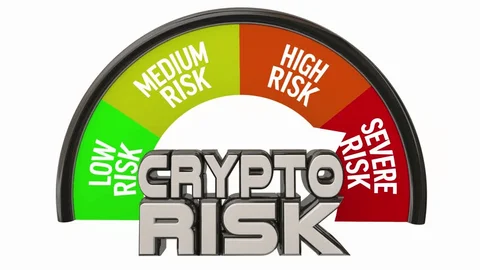
Cryptocurrency markets are known for their rapid price movements, evolving regulations, and technological innovation. While these factors create opportunities for high returns, they also expose investors to substantial risks. Without a structured risk management approach, even experienced investors can suffer significant losses.
This guide explores proven risk management strategies for crypto investors, helping individuals safeguard their investments while navigating a highly volatile market.
1. Understand the Risks of Crypto Investing
Before investing, it’s crucial to understand the core risks involved:
- Market volatility leading to sudden price swings
- Regulatory uncertainty across different jurisdictions
- Security risks such as hacks and phishing attacks
- Liquidity risks in smaller or newer tokens
- Technology risks related to smart contracts and protocols
Understanding these risks allows investors to plan defensively rather than react emotionally.
2. Diversify Your Crypto Portfolio
Diversification is one of the most effective risk management tools.
Best Practices
- Invest across multiple cryptocurrencies
- Balance between large-cap, mid-cap, and emerging tokens
- Include different sectors such as DeFi, NFTs, infrastructure, and stablecoins
Why It Matters
During market downturns, a diversified portfolio smoothes overall returns and lessens exposure to the failure of any one asset.
3. Invest Only What You Can Afford to Lose
Crypto markets are unpredictable. Never invest funds needed for:
- Daily living expenses
- Emergency savings
- Short-term financial obligations
This mindset helps investors remain rational during volatility and avoid panic selling.
4. Use Position Sizing and Stop-Loss Strategies
Position Sizing
Limit how much capital you allocate to a single trade or asset. Many investors follow the rule of risking only 1–5% of their total portfolio on one position.
Stop-Loss Orders
Stop-loss orders automatically sell assets when prices drop to a predefined level, limiting downside risk and preventing emotional decision-making.
5. Secure Your Digital Assets
Security failures are a major source of crypto losses.
Essential Security Measures
- Use hardware wallets for long-term holdings
- Enable two-factor authentication (2FA)
- Avoid clicking unknown links or interacting with suspicious smart contracts
- Store private keys offline and never share them
Strong security practices protect assets from theft and unauthorized access.
6. Conduct Thorough Research (DYOR)
Never invest based solely on hype or social media trends.
Key Research Areas
- Project fundamentals and use case
- Development team and roadmap
- Tokenomics and supply distribution
- Community engagement and transparency
- Smart contract audits
Informed investors make better long-term decisions and avoid scams.
7. Manage Emotional and Psychological Risks
Emotions often drive poor investment decisions.
Common Emotional Traps
- Fear of missing out (FOMO)
- Panic selling during downturns
- Overconfidence after profits
Solutions
- Follow a predefined investment plan
- Avoid overtrading
- Take profits strategically
- Review performance objectively
Discipline is a critical component of effective risk management.
8. Stay Informed About Regulations and Market News
Regulatory changes can significantly impact crypto prices.
What to Monitor
- Government regulations and tax policies
- Exchange compliance updates
- Network upgrades and protocol changes
- Macro-economic trends
Staying informed helps investors anticipate risks rather than react to them.
9. Consider Stablecoins and Hedging Strategies
Stablecoins can reduce portfolio volatility.
Use Cases
- Parking funds during uncertain market conditions
- Earning yield through low-risk DeFi protocols
- Hedging against sudden market drops
Some advanced investors also use derivatives cautiously to hedge downside risk.
10. Review and Rebalance Your Portfolio Regularly
Crypto markets evolve rapidly.
Best Practices
- Rebalance periodically to maintain target allocations
- Take profits from overperforming assets
- Cut losses from underperforming positions
Regular reviews ensure that your portfolio aligns with your risk tolerance and investment goals.
Conclusion
Long-term success in cryptocurrency investing depends on risk management. Uncontrolled risk exposure can result in significant losses even though high returns are possible. Investors can more confidently and sustainably navigate cryptocurrency markets by diversifying their holdings, securing funds, controlling their emotions, and remaining informed.
A disciplined risk management strategy doesn’t eliminate risk—but it ensures that no single mistake can derail your entire investment journey.