How to Verify Smart Contract Safety
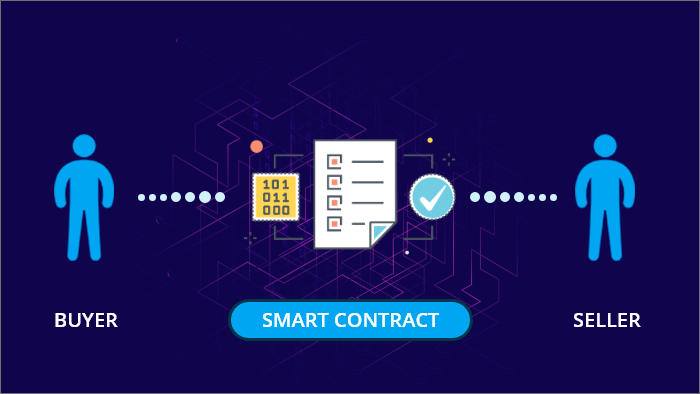
Smart contracts power the current cryptocurrency ecosystem, which includes DeFi platforms and NFT marketplaces. However, a single shoddy contract could cost millions of dollars. Verifying the security of smart contracts before investing or connecting your wallet is one of the most important cryptocurrency skills.
What Is Smart Contract Safety?
Smart contract safety refers to how secure, transparent, and reliable a blockchain contract is. A safe contract:
- Has no exploitable vulnerabilities
- Performs exactly as advertised
- Protects user funds from unauthorized access
- Has been independently reviewed
Why Smart Contract Verification Matters
Unsafe contracts can:
- Drain your wallet
- Lock your funds permanently
- Allow developers to manipulate tokens
- Be exploited by hackers
- Unlike traditional systems, blockchain transactions are irreversible—mistakes—mistakes are permanent.
Step-by-Step Guide to Verifying Smart Contract Safety
1. Check If the Contract Is Verified
Search the contract address on:
- Etherscan (Ethereum)
- BscScan (BNB Chain)
- Polygonscan, etc.
Look for the “Contract Source Code Verified” badge.
2. Review the Smart Contract Code (Basic Level)
Even without coding skills, look for red flags:
- The owner functions with full control
- Ability to pause trading or transfer tokens
- Minting functions without limits
- Blacklisting features
3. Look for an Independent Security Audit
Reputable projects publish audits from firms like
- CertiK
- Hacken
- PeckShield
- Trail of Bits
Check if the audit:
- Is recent
- Covers all contracts
- Has critical issues resolved
4. Analyze Token Permissions
Use tools like
- Etherscan Token Approvals
- Revoke.cash
Ensure the contract cannot move your funds freely without your consent.
5. Check Developer Activity & Transparency
- Open-source code on GitHub
- Regular updates
- Active communication channels
- Clear roadmap and documentation
6. Monitor Community Feedback
Search:
- Twitter/X
- Discord
- GitHub issues
Repeated complaints are serious warning signs.
Common Smart Contract Red Flags
- No verified source code
- No audit report
- Anonymous team with no reputation
- Overly complex tokenomics
- Unrealistic APYs
- Excessive owner privileges
Helpful Tools for Contract Safety
| Tool | Purpose |
|---|---|
| Etherscan | Contract verification & transactions |
| Revoke.cash | Manage token approvals |
| DeFi Scanner | Vulnerability scanning |
| Token Sniffer | Token risk analysis |
| RugDoc | DeFi risk ratings |
Best Practices for Staying Safe
- Use a hardware wallet
- Test with small amounts first
- Never rush into new projects
- Avoid unaudited contracts
- Regularly revoke old permissions
Final Thoughts
It is imperative that smart contracts be safe. Security risks increase as DeFi and Web3 expand. Acquiring the skill of contract verification safeguards both your finances and your peace of mind.