
How Whales Influence Cryptocurrency Market Movements
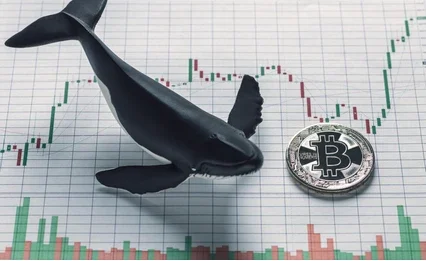
A small number of powerful players known as whales frequently have an impact on cryptocurrency markets. These organizations have the ability to influence markets with a single transaction and possess significant quantities of particular tokens. Because of its comparatively lower liquidity than traditional financial markets, cryptocurrency is especially vulnerable to whale activity.
Understanding how whales influence cryptocurrency market movements can help investors interpret sudden price swings and avoid costly emotional decisions.
What Are Crypto Whales?
Crypto whales are individuals, institutions, or entities that hold large quantities of a cryptocurrency. This may include:
- Early adopters
- Crypto exchanges
- Investment funds
- High-net-worth individuals
- Blockchain foundations
A whale’s trade can represent a significant percentage of daily trading volume, giving them outsized influence over price action.
How Whales Move Cryptocurrency Markets
1. Large Buy and Sell Orders
When whales place substantial buy or sell orders, prices can shift rapidly. Large sell-offs may trigger panic selling, while large buy orders can spark sudden rallies.
Because crypto order books are often thin, these transactions create immediate and noticeable price impacts.
2. Liquidity Manipulation
Whales can exploit low liquidity by placing or removing large orders near key price levels. This can:
- Create false support or resistance
- Trigger stop-loss orders
- Force smaller traders into unfavorable positions
- Such tactics amplify volatility and confuse retail traders.
3. Market Sentiment and Psychological Impact
The cryptocurrency community keeps a close eye on whale movements. Social media posts and on-chain alerts frequently magnify whale activity, affecting investor sentiment.
For example:
- A whale moving funds to an exchange may signal a potential sell-off
- Large withdrawals may indicate accumulation
Even speculation about whale behavior can move markets.
4. Accumulation and Distribution Phases
Whales often accumulate tokens during bearish or low-volatility periods when prices are depressed. Once sentiment turns bullish, they may distribute assets gradually or during peak hype cycles.
This strategy allows whales to:
- Buy low with minimal attention
- Sell high during strong demand
- Maximize profit while influencing price trends
Whale Activity and Market Manipulation
While not all whale behavior is manipulative, certain practices raise concerns:
- Spoofing (placing large fake orders)
- Wash trading
- Coordinated pump-and-dump schemes
These activities can distort market signals and increase risk for uninformed traders.
How Retail Investors Can Track Whale Activity
Retail investors can monitor whale movements using:
- On-chain analytics platforms
- Exchange inflow and outflow data
- Wallet tracking tools
- Unusual volume or order book changes
Tracking whales provides insights but should not replace proper analysis.
Are Whales Always a Negative Force?
Not necessarily. Whales can also:
- Provide market liquidity
- Support long-term network development
- Stabilize prices during downturns
- Signal institutional confidence
Their impact depends on intent, timing, and market conditions.
Risk Management When Trading Around Whales
To reduce whale-related risk, investors should:
- Avoid chasing sudden price spikes
- Use stop-loss orders carefully
- Diversify portfolios
- Focus on long-term fundamentals
- Combine on-chain data with technical analysis
Patience and discipline are essential when navigating whale-driven markets.
Why Whale Influence Is Stronger in Crypto
Crypto markets amplify whale impact due to:
- Lower overall market depth
- High retail participation
- 24/7 global trading
- Limited regulatory oversight
As the market matures, whale influence may decrease—but it remains significant today.
Conclusion
Crypto whales play a major role in shaping cryptocurrency market movements. Their large holdings and strategic trades can influence prices, liquidity, and investor psychology. By understanding how whales operate and learning to interpret on-chain signals responsibly, investors can better navigate volatility and avoid common market traps.
In crypto, knowledge of whale behavior is not about imitation—it’s about awareness and risk control.