
How Blockchain Technology Works in Simple Terms

Blockchain technology is the foundation of cryptocurrencies like Bitcoin and Ethereum, but it is much more than digital money. In simple words, blockchain is a secure way to record information so it cannot be changed or hacked easily.
With no technical jargon, this approachable guide explains how blockchain technology operates.
What Is Blockchain?
A blockchain is a digital record book that stores information in blocks. These blocks are connected in a chain, which is why it is called blockchain.
Instead of being stored in one place, the data is shared across many computers around the world.

What Is a Block?
Each block contains:
- Transaction data
- A timestamp
- A unique digital code (hash)
- A link to the previous block
Once a block is full, it is added to the chain permanently.
How Does Blockchain Work? (Step-by-Step)
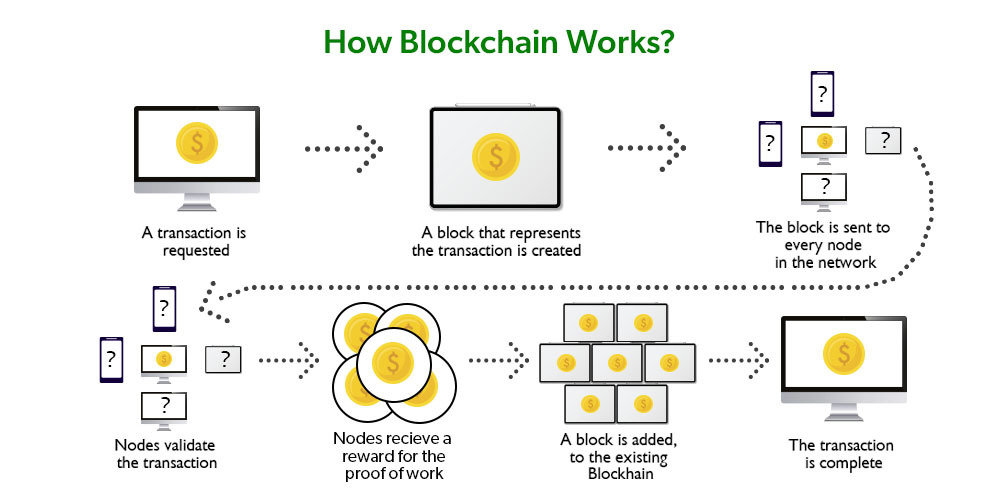 Step 1: A Transaction Is Created
Someone sends data or money using blockchain.
Step 2: Transaction Is Verified
Network computers (called nodes) verify the transaction.
Step 3: Block Is Created
Verified transactions are grouped into a block.
Step 4: Block Is Added to the Chain
The block is connected to the previous block using cryptography.
Step 5: Record Becomes Permanent
Once added, the information cannot be changed.
Why Is Blockchain Secure?
Blockchain is secure because:
- It is decentralized
- Data is encrypted
- Changes require network agreement
- No single point of failure
This makes hacking extremely difficult.
What Is Decentralization?
Decentralization means no single authority controls the system. Instead, many computers maintain the same record, ensuring fairness and transparency.
Real-Life Uses of Blockchain
Blockchain is used in:
- Cryptocurrencies
- Digital payments
- Supply chain tracking
- Healthcare records
- Voting systems
- Smart contracts
- Its use is growing beyond finance.
Blockchain vs Traditional Databases
-
Feature Blockchain Traditional System Control Decentralized Centralized Security High Moderate Transparency Public Limited Data Changes Very Difficult Easy
- Advantages of Blockchain Technology
- Transparency
- Security
- Lower costs
- Faster transactions
- Trust without middlemen
- Limitations of Blockchain
- Energy consumption
- Scalability challenges
- Regulatory uncertainty
- Learning curve for beginners
- Future of Blockchain Technology
- Blockchain will power:
- Web3 internet
- Decentralized finance (DeFi)
- NFTs and digital ownership
- Tokenized real-world assets
- It is shaping the future of digital systems.
Conclusion
Blockchain technology works like a reliable digital ledger. Because it is decentralized and safe, it is ideal for documenting data in the digital age.
Understanding blockchain is the first step toward exploring cryptocurrencies and Web3 technologies.