What is Smart Contract and How It Works
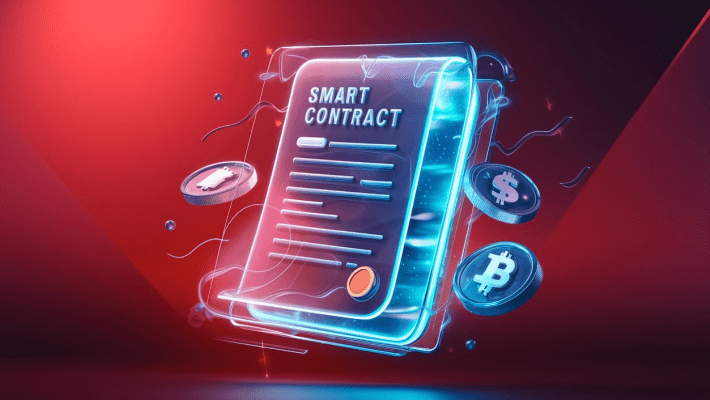
Traditional contracts rely on lawyers, banks, and institutions. Smart contracts replace these intermediaries with secure code that automatically enforces agreements on the blockchain. They are the backbone of decentralized finance (DeFi), NFTs, and Web3 applications.
What Is a Smart Contract?
A smart contract is a computer program stored on a blockchain that automatically executes actions when predetermined conditions are met. Once deployed, it cannot be altered, ensuring trust and transparency.
How Smart Contracts Work
- Agreement terms are written into code
- The contract is deployed on the blockchain.
- Conditions are continuously monitored
- When conditions are met, actions execute automatically
No third party is required.
Where Smart Contracts Are Used
- DeFi platforms
- NFT marketplaces
- Gaming ecosystems
- Supply chain management
- Insurance systems
- Voting and governance

Advantages of Smart Contracts
- Trustless execution
- High security
- Transparency
- Lower transaction costs
- Faster settlements
Challenges and Risks
- Coding errors
- Smart contract exploits
- Scalability issues
- Regulatory uncertainty
Future of Smart Contracts
Smart contracts will power automated economies, digital identity systems, decentralized finance, and global business transactions.
Conclusion
The creation, enforcement, and execution of agreements are being completely transformed by smart contracts. They lay the groundwork for a digital future that is decentralized.