
Layer 2 Solutions and Their Importance
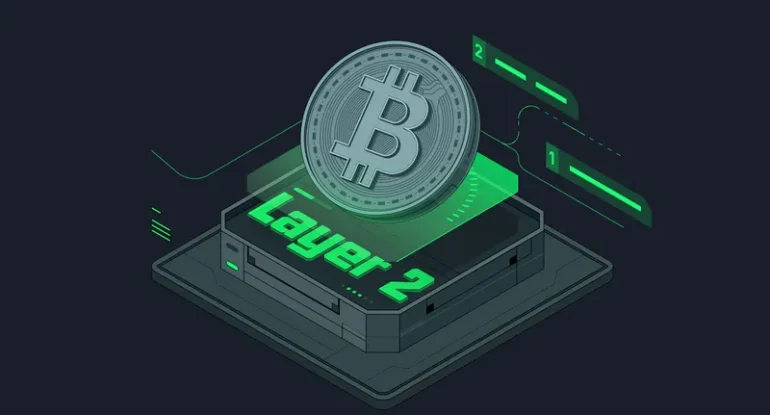
As blockchain adoption grows, networks like Ethereum face major challenges: high fees, slow transaction speeds, and congestion. Layer 2 solutions were created to solve these problems without compromising security or decentralization.
Layer 2 technologies are now a critical component of the blockchain ecosystem.
What Are Layer 2 Solutions?
Layer 2 solutions are protocols built on top of an existing blockchain (Layer 1) that process transactions off the main chain and then record the final results on the base network. This dramatically improves efficiency while maintaining security.
Major Types of Layer 2 Solutions
1. Rollups
- Optimistic Rollups
- Zero-Knowledge (ZK) Rollups
They bundle many transactions into one, reducing costs and increasing speed.
2. State Channels
Enable fast, private off-chain transactions between parties.
3. Sidechains
Independent blockchains connected to the main chain for specialized use cases.
4. Plasma
Processes transactions off-chain and periodically submits proofs to the main network.
Why Layer 2 Solutions Are Important
- Lower Transaction Fees
- Faster Processing Speeds
- Improved Scalability
- Enhanced User Experience
- Support for Mass Adoption
Without Layer 2, mainstream blockchain adoption would remain limited.
Popular Layer 2 Platforms
- Arbitrum
- Optimism
- zkSync
- StarkNet
- Polygon
Future of Layer 2 Technology
Layer 2 solutions will be the foundation for scalable blockchain infrastructure as decentralized finance, NFTs, gaming, and Web3 continue to grow.
Conclusion
The long-term viability of the blockchain sector depends on Layer 2 solutions. They facilitate the widespread adoption of decentralized technology and make it usable for commonplace applications.