
Proof of Work vs Proof of Stake
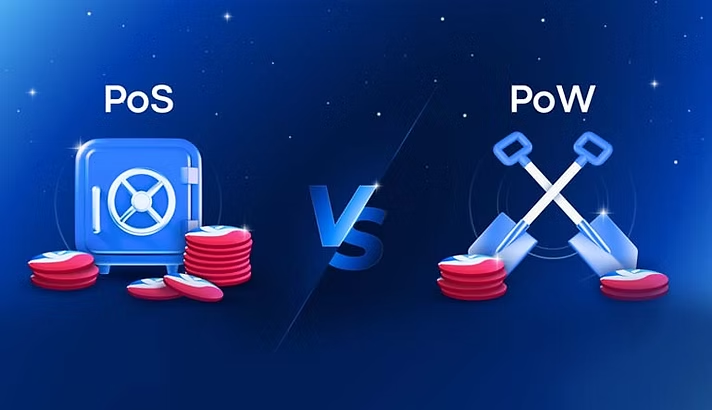
Blockchain networks require a secure method to validate transactions and prevent fraud. This process is handled by consensus mechanisms, and the two most widely used systems are Proof of Work (PoW) and Proof of Stake (PoS). Each plays a vital role in how modern cryptocurrencies operate.
What Is Proof of Work (PoW)?
How Proof of Work Works
Proof of Work requires participants known as miners to solve complex mathematical puzzles. The first miner to solve the puzzle validates the block and earns a reward.
Key Features
- High security
- Fully decentralized
- Energy-intensive
- Competitive mining process
Popular PoW Blockchains
- Bitcoin
- Litecoin
- Dogecoin
- Bitcoin Cash
Advantages of PoW
- Extremely secure
- Proven reliability
- Resistant to attacks
- Strong decentralization
Disadvantages of PoW
- Massive energy consumption
- High operational costs
- Slower transactions
- Hardware centralization risks
What Is Proof of Stake (PoS)?
How Proof of Stake Works
In Proof of Stake, validators lock up cryptocurrency as stake. Validators are chosen to confirm transactions based on the amount of crypto they hold and are willing to stake.
Key Features
- Energy efficient
- Faster transaction speeds
- Lower entry costs
- Reduced environmental impact
Popular PoS Blockchains
- Ethereum
- Cardano
- Solana
- Avalanche
Advantages of PoS
- Eco-friendly
- Lower transaction fees
- High scalability
- Strong security through economic incentives
Disadvantages of PoS
- Wealth concentration risks
- More complex governance
- Less battle-tested than PoW
PoW vs PoS: Side-by-Side Comparison
| Feature | Proof of Work | Proof of Stake |
|---|---|---|
| Energy Use | Very High | Very Low |
| Speed | Slower | Faster |
| Cost | Expensive | Affordable |
| Security | Very High | Very High |
| Decentralization | High | Moderate |
| Environmental Impact | Negative | Minimal |
Which Is Better in 2026?
By 2026, most new blockchains favor Proof of Stake due to scalability and sustainability concerns. However, Proof of Work remains dominant for networks prioritizing maximum security, especially Bitcoin.
Future Outlook
The future of blockchain consensus is trending toward energy-efficient models. Hybrid systems combining PoS with additional security layers are expected to grow rapidly as institutional adoption expands.
Conclusion
Both Proof of Work and Proof of Stake are crucial to the development of blockchain technology. PoS offers speed, scalability, and sustainability, while PoW offers unparalleled security and decentralization. Network objectives, security requirements, and environmental factors all influence the best option.