
How Virtual Real Estate Works in the Metaverse
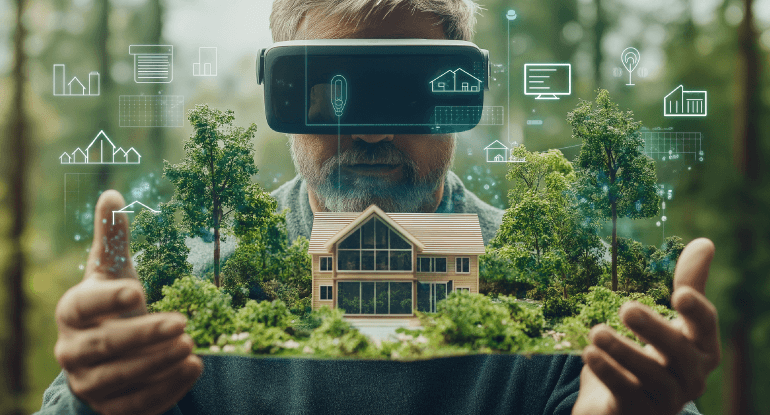
The metaverse has unlocked a brand-new asset class: virtual real estate. Just like physical property, digital land can be bought, sold, leased, and developed—but entirely inside virtual worlds powered by blockchain technology.
From individual creators to global brands, everyone is exploring virtual land opportunities.
What Is Virtual Real Estate?
Virtual real estate refers to digital land and properties inside blockchain-based virtual worlds. Ownership is verified through NFTs, providing proof of authenticity and scarcity.
Popular metaverse platforms include:
- Decentraland
- The Sandbox
- Other side
- Somnium Space
How Virtual Real Estate Works
1. Buying Virtual Land
Users purchase digital plots using cryptocurrencies such as ETH, MANA, or SAND through NFT marketplaces.
2. Ownership & Storage
Each land parcel is stored as an NFT in the owner’s crypto wallet.
3. Development
Owners can build virtual shops, galleries, event spaces, casinos, or social hubs.
4. Monetization
Virtual properties can generate income via:
- Advertising
- Event hosting
- Leasing land
- Selling digital goods
- Brand partnerships
5. Resale & Trading
Like real property, virtual land can increase in value and be resold.
Benefits of Virtual Real Estate
- True digital ownership
- Global market access
- Low entry barriers compared to physical property
- New income streams
- Integration with gaming, NFTs, and commerce
Risks & Challenges
- Market volatility
- Platform dependency
- Regulatory uncertainty
- Cybersecurity risks
Future of Virtual Real Estate
Digital land is anticipated to play a significant role in the global economy as virtual worlds integrate with social life, business, and entertainment.
Conclusion
The way people invest, start businesses, and communicate online is completely changed by virtual real estate. Gaining an understanding of its workings now can lead to significant opportunities later on.