
How Decentralized Exchanges Work
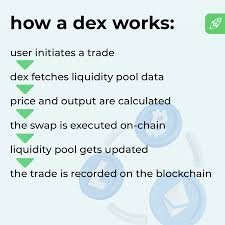
Traditional cryptocurrency exchanges require users to trust centralized companies with their funds. Decentralized exchanges (DEXs) eliminate this dependency by enabling peer-to-peer trading directly on the blockchain using smart contracts.
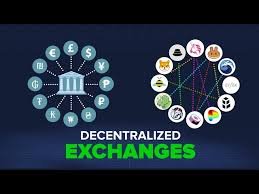
What Is a Decentralized Exchange?
A trading platform that doesn’t have a central authority is called a DEX. Blockchain-based smart contracts allow users to transact straight from their wallets.
How DEXs Work
- The user connects crypto wallet
- Selects tokens to trade
- The smart contract executes the trade
- Tokens are exchanged directly on-chain
- Funds remain under user control
Types of DEXs
1. Automated Market Makers (AMMs)
Use liquidity pools instead of order books.
Examples: Uniswap, PancakeSwap, Curve
2. Order Book DEXs
Operate similarly to traditional exchanges.
Examples: dYdX
Benefits of DEXs
- Full asset ownership
- Increased security
- No centralized control
- Global access
- Transparency
Risks of DEXs
- Smart contract vulnerabilities
- Slippage during high volatility
- Limited customer support
- Regulatory uncertainty
Future of DEXs
DEXs are anticipated to serve as the cornerstone of digital trading and financial services as blockchain adoption increases.
Conclusion
Decentralized exchanges provide transparency, security, and freedom. They signify a significant change in the way financial markets function.