
Understanding Layer 1 vs Layer 2 Blockchains
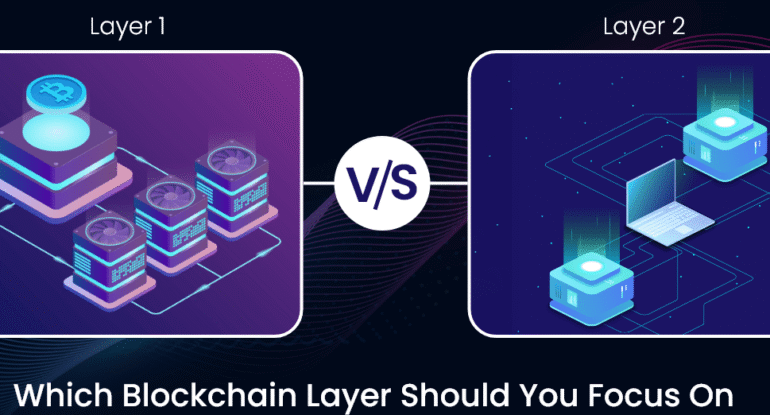
As blockchain adoption grows, scalability becomes a critical challenge. To solve this, the industry relies on two core technologies: Layer 1 and Layer 2 blockchains. Understanding how they work together is essential for anyone involved in crypto or Web3.
What Is Layer 1?
Layer 1 is the base blockchain network where transactions are processed and finalized.
Examples of Layer 1 Blockchains
- Bitcoin
- Ethereum
- Solana
- Cardano
- Avalanche
Functions of Layer 1
- Transaction processing
- Network security
- Consensus mechanism
- Smart contract execution
What Is Layer 2?
Layer 2 solutions are built on top of Layer 1 networks to improve scalability and reduce fees without sacrificing security.
Popular Layer 2 Solutions
- Arbitrum
- Optimism
- zkSync
- StarkNet
- Polygon
Functions of Layer 2
- Off-chain transaction processing
- Fee reduction
- Speed improvement
- Scalability support
Key Differences
| Feature | Layer 1 | Layer 2 |
|---|---|---|
| Security | Base network | Inherits from Layer 1 |
| Speed | Slower | Faster |
| Fees | Higher | Lower |
| Scalability | Limited | Highly scalable |
Why Both Matter
Layer 1 provides security and decentralization.
Layer 2 enables mass adoption through speed and affordability.
Together, they create a powerful blockchain ecosystem.
Future of Blockchain Scalability
Modular blockchains are the way of the future, with Layer 1 concentrating on security and Layer 2 managing user experience and performance.
Conclusion
Layer 1 and Layer 2 are partners rather than rivals. Blockchain can be used globally thanks to their combined architecture.